story + photos by Catherine Schmitt
There’s no better place to appreciate and celebrate World Wetlands Day than Acadia National Park.
Wetlands are places where water overlaps with land. In some wetlands, the overlap is obvious, at the edges of lakes and streams or coastal shorelines. In other wetlands, water is hidden beneath the surface, flowing through tree roots, pooling under sand and cobble beaches, or saturating thick mats of moss and sedge. Still other wetlands are wet only some of the time, filling up with snowmelt in spring, drying out in summer, and wetting again during fall rains.
Wetlands have been compared to sponges, because of how they absorb and then gradually release water. There’s a whole range of trees and plants that like to have their roots wet, and they help to filter water as it flows, serving as a continual source of clean water to downstream rivers, lakes, and harbors.
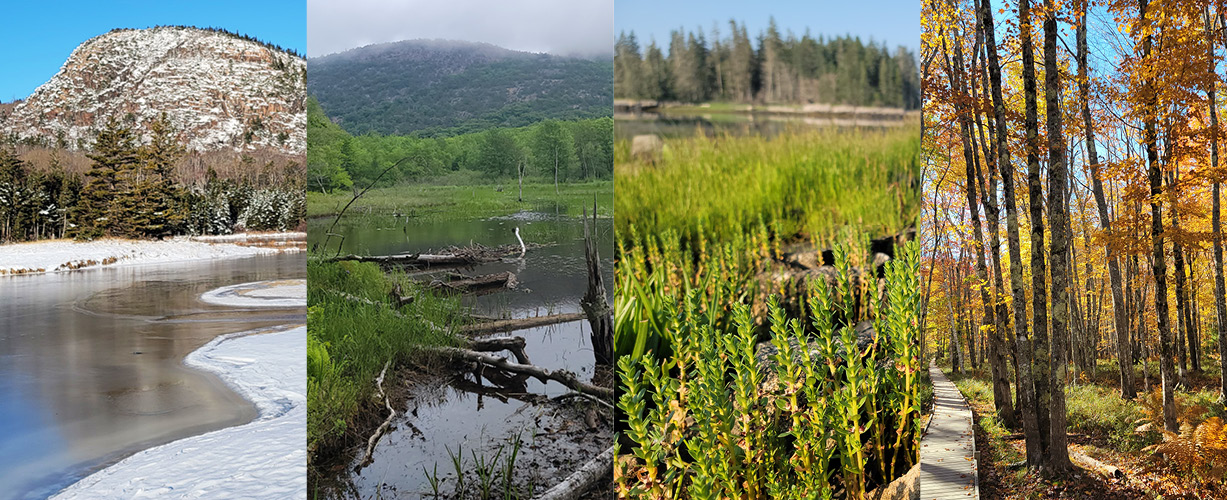
Ephemeral rivulets that run down the mountains become valley streams that flow into lakes and flow out again, to the sea. Twenty percent of Acadia is classified as wetland, and many different types are represented.
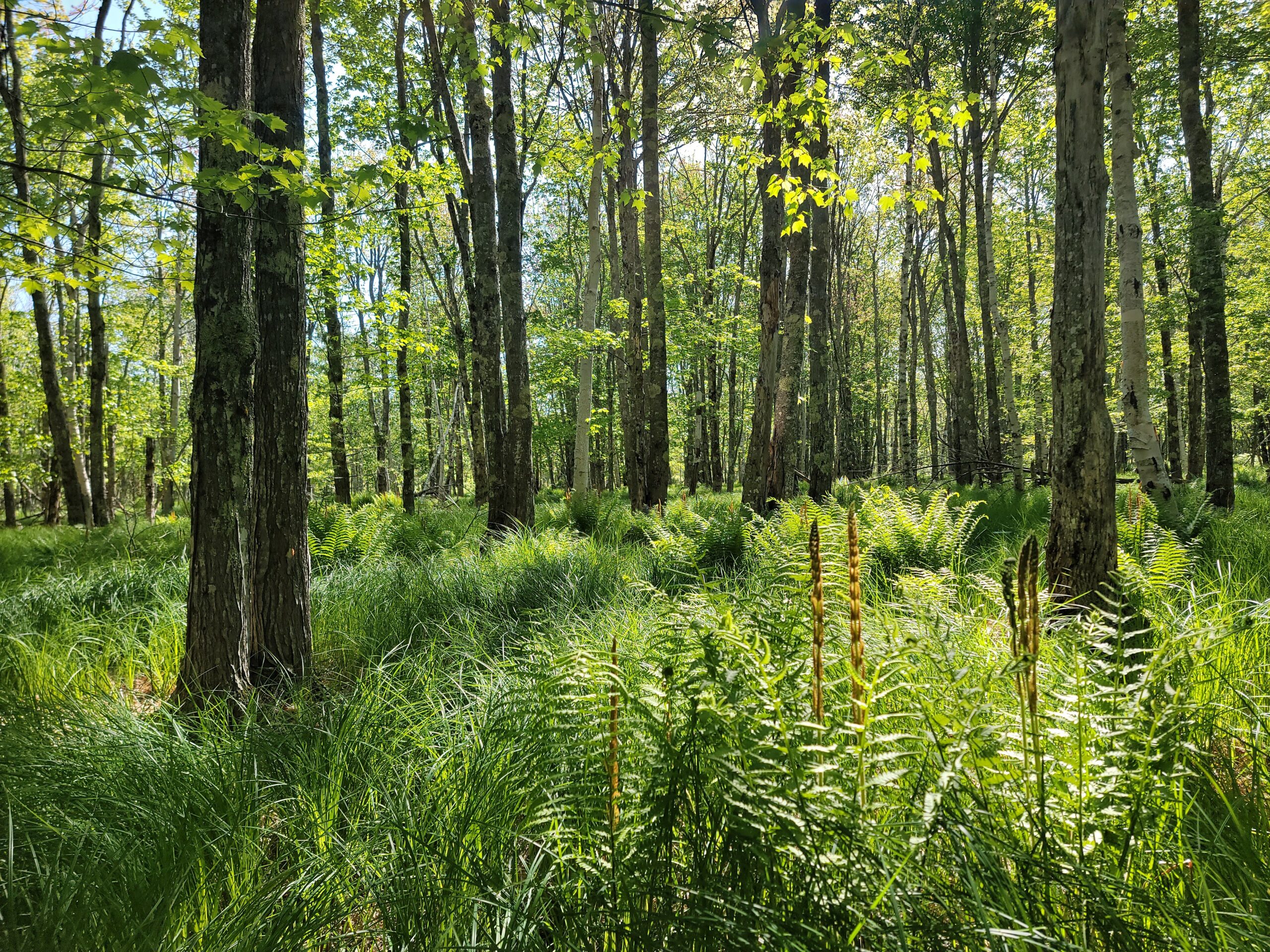
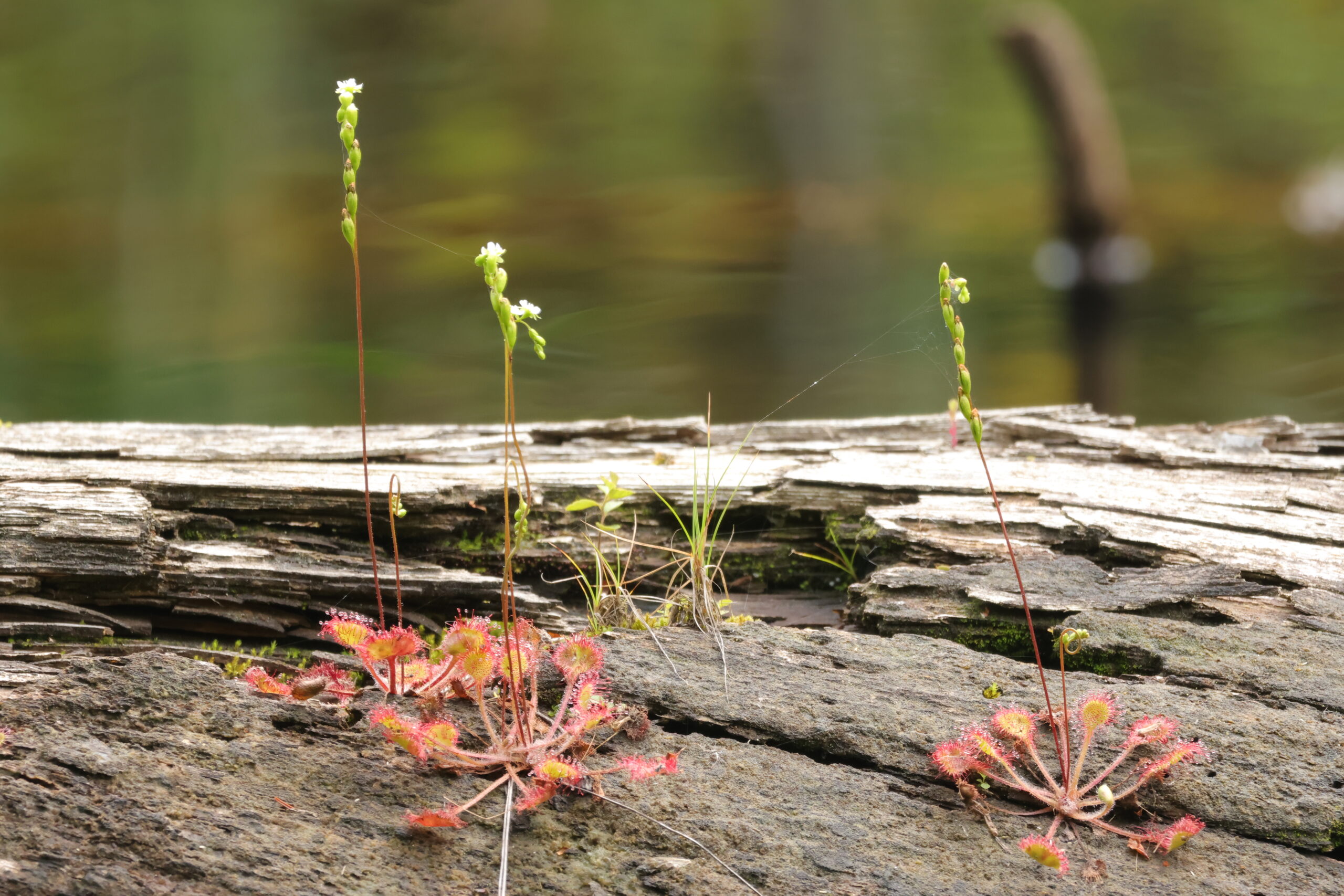
Lakes and ponds and streams and creeks. Swamps of cedar and red maple. Peatlands soaked by groundwater, from miniature bogs of cottongrass on the mountains to cliffside grottoes of pitcher plant and sundew and soggy cushions of orchids to expansive heaths of sphagnum moss and stunted spruce.
There’s more: freshwater meadows of sedges and ferns; marshes of salt grasses and rushes; beaches of sea lavender and goldenrod; intertidal shores of seaweed.
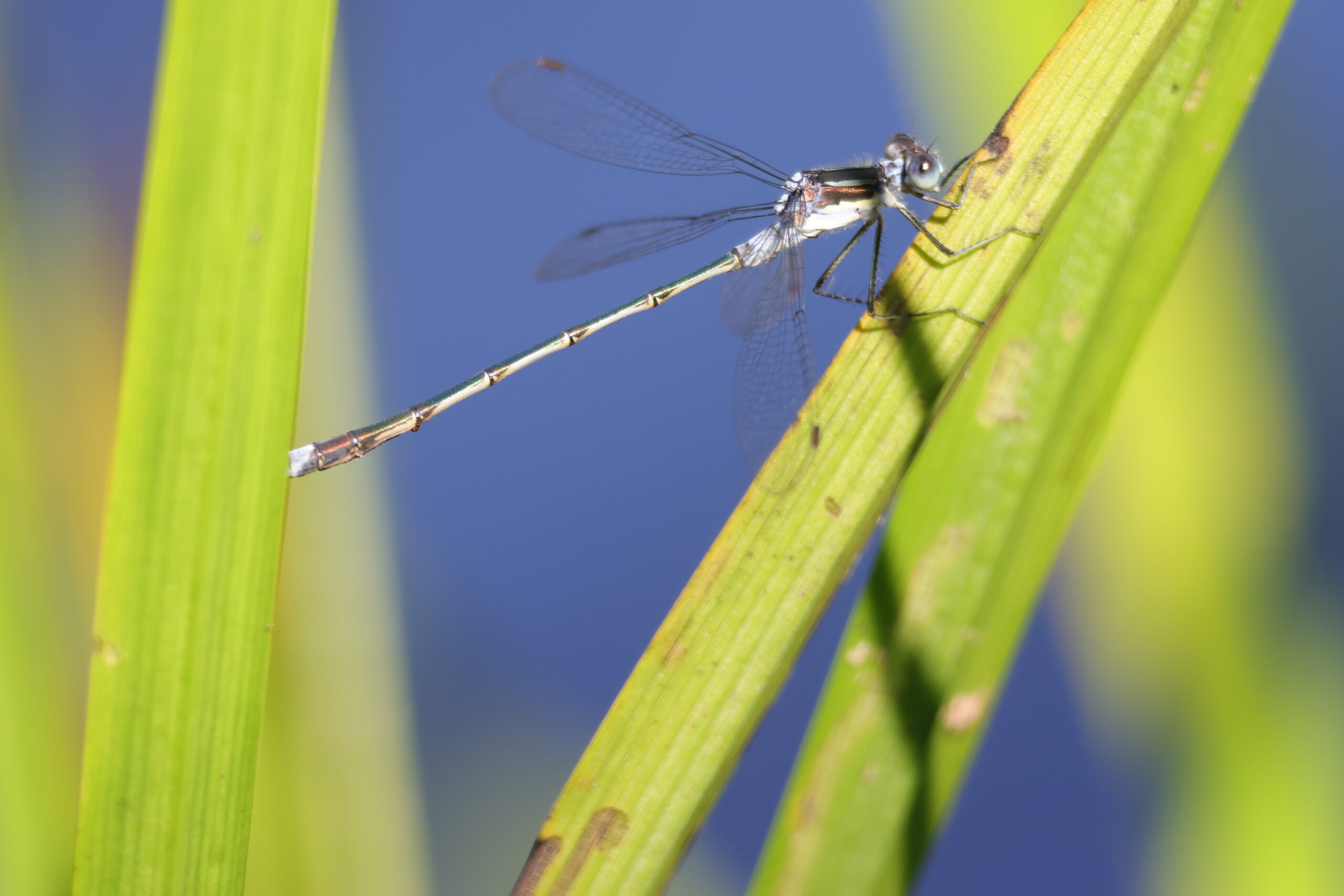
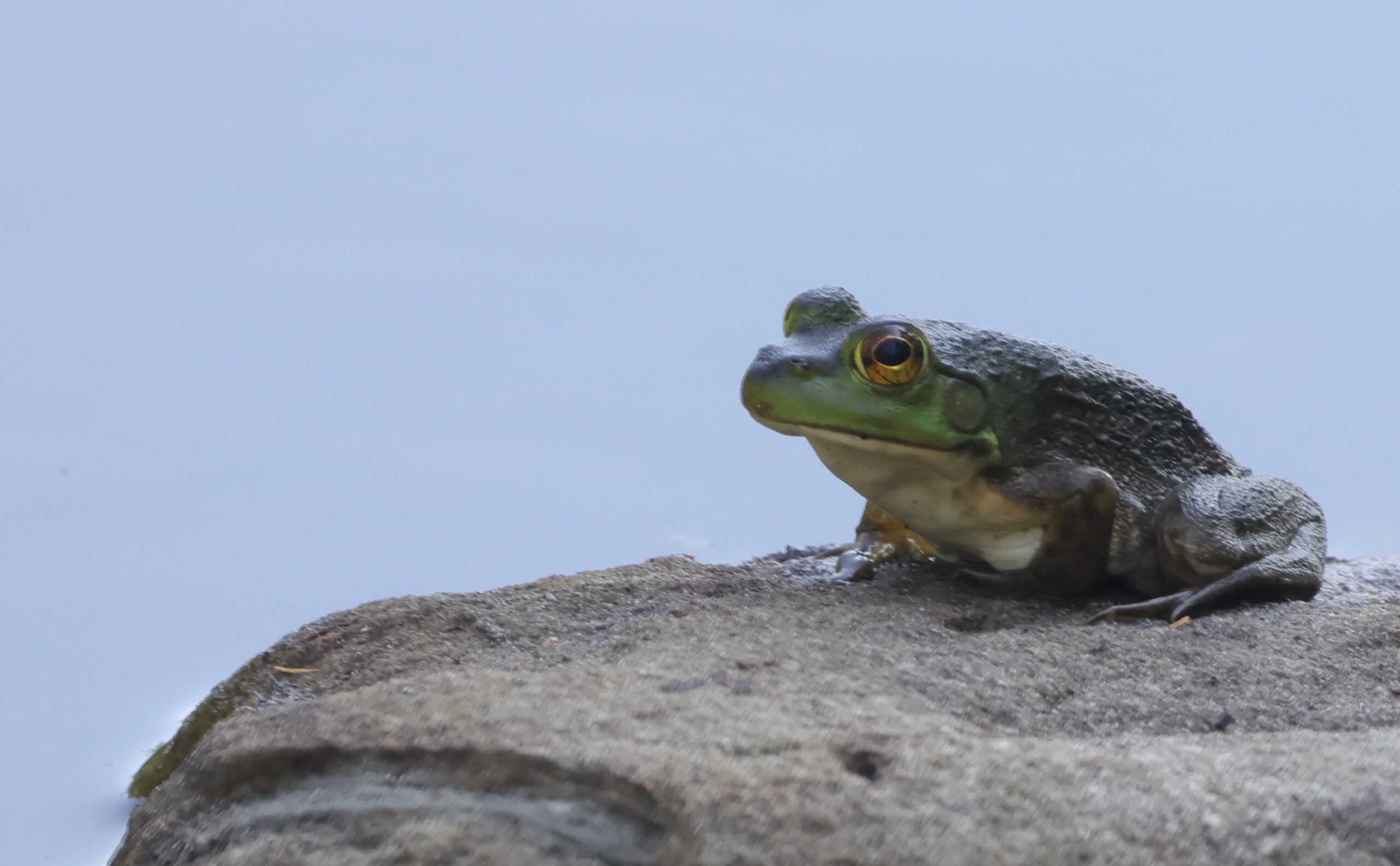
Where there is water, there is life, and wetlands are among the best places in Acadia to observe wildlife.