Climate Change: Sea to Trees at Acadia National Park with Earthwatch II
Join Earthwatch in Acadia National Park to help scientists uncover the impacts of climate change on one of New England’s most iconic and biodiverse landscapes, contributing to crucial conservation efforts for its future.
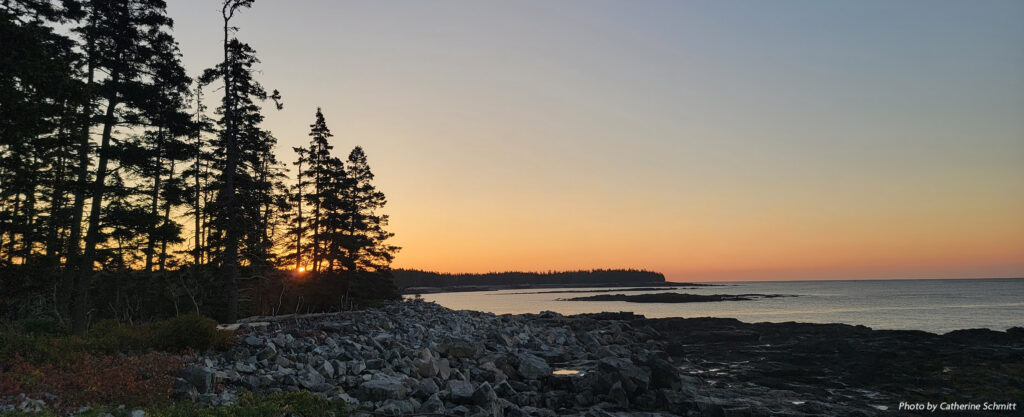
The granite mountains and craggy coasts of the islands that make up Acadia are famous for their beauty and wildlife. This is classic, unspoiled New England. Our partner, Schoodic Institute at Acadia National Park, is based near the tip of Schoodic Point, feet away from the crashing surf.
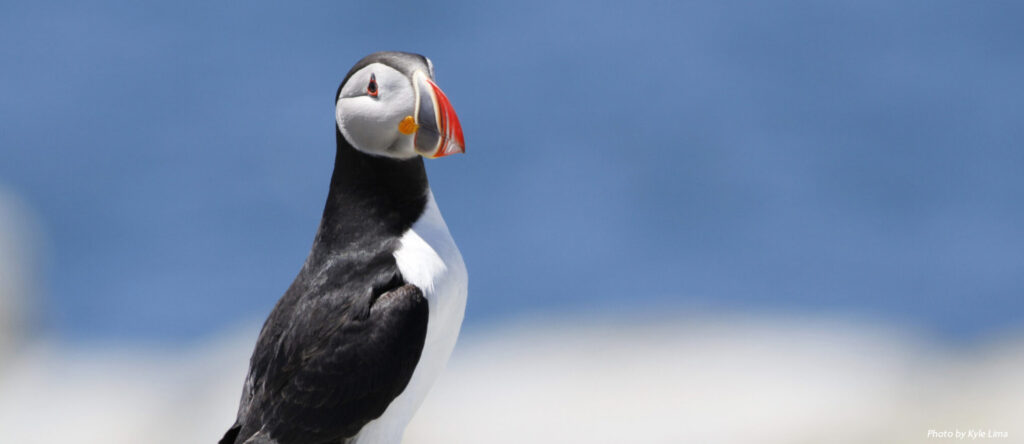
Acadia is home to a stunning diversity of wildlife. It is on a bird “superhighway,” a route heavily traveled by birds that migrate between Canada and South America. Researchers have recorded 23 species of warblers alone here. The park’s lakes and coastal waters also provide a home for 30 fish species and a wide array of invertebrates, such as sea stars and urchins.
But global changes–like warming temperatures and ocean acidification–are significantly impacting the park, threatening the diversity of wildlife within. Acadia’s scientists have compiled over 120 years of detailed natural history observations to compare current patterns to. On this expedition, you’ll help collect similar data that can be compared to this extended time-series data set, revealing how a changing climate influences Acadia. Few places in the country have such a rich pool of observations to draw from and make comparisons to.
Join us in helping scientists tell the story of how humans are transforming Acadia. Your efforts will contribute to research to inspire management strategies to protect this unique and vital national treasure. This is your chance to impact the future of one of the nation’s most beloved parks.
Find more information, including registration and full daily itinerary, here.