Communication
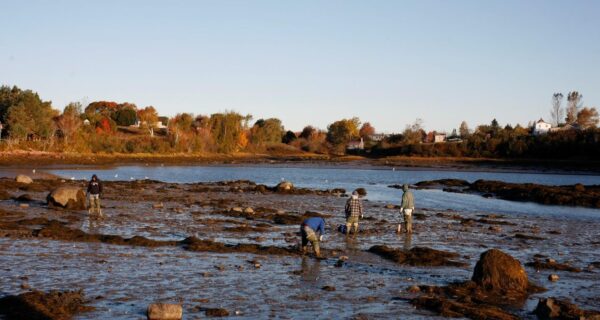
Shellfish Focus Day
A conversation featuring stories and lessons learned in town shellfish conservation projects Shellfish Focus Day, part of the annual Maine […]
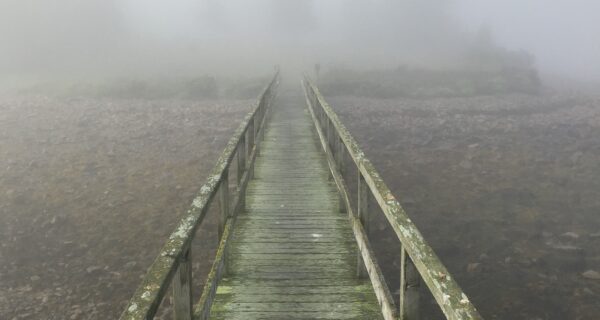
A brief investigation into Acadia’s foggy history
by Tessa Houston I spent summers at my grandparents’ house on Southport Island. I remember waking up and seeing a […]
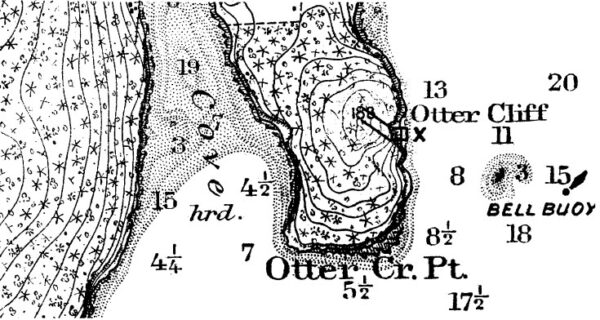
Acadia’s Science Legacy
Acadia National Park has a rich history of science, perhaps the most extensive legacy of study among early national parks. […]
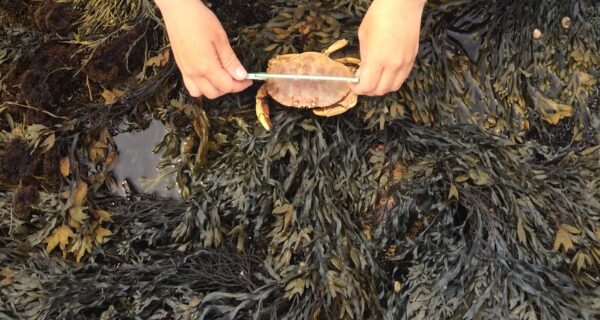
On the mysterious appearance of Jonah crabs at Schoodic Point
story + photos by Shannon O’Brien Come September, the spittlebugs have disappeared from roadsides; the deer have grown velvety antlers […]
Tree pests in Marsh-Billings-Rockefeller National Historical Park
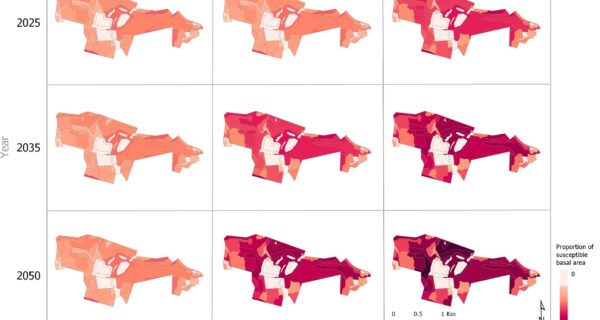
by Catherine Schmitt Tree pests and diseases present a serious and growing threat to forests across national parks. From fungi […]
Schoodic Summer Shorts
Our science continues, despite many challenges brought on by a global pandemic. Because so many campus events had to be […]
Author Colin Woodard to speak on “The Lobster Coast”
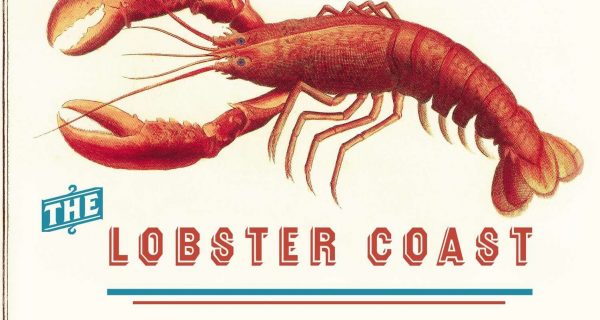
Maine has been Wabanaki homeland for many thousands of years, a colony for 170 years, and a state for 200 […]
Acadia’s “Moth Man”
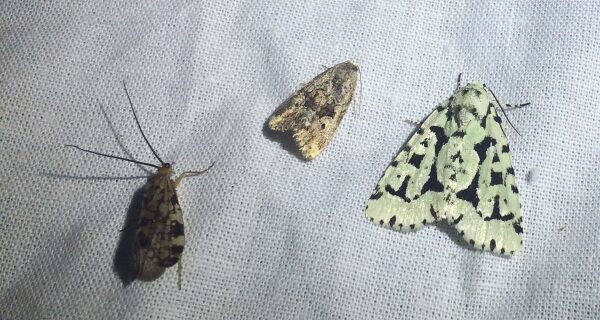
Since 2016, Frank Distefano aka “Moth Man” has documented moths with photography, contributing the images to a global database of […]
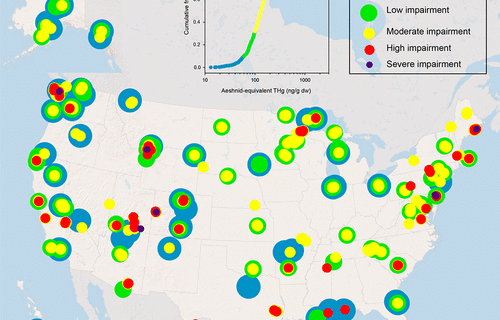
New research publication on the Dragonfly Mercury Project
The foundational work on the Dragonfly Mercury Project was published today in the journal, Environmental Science & Technology, “A national-scale […]
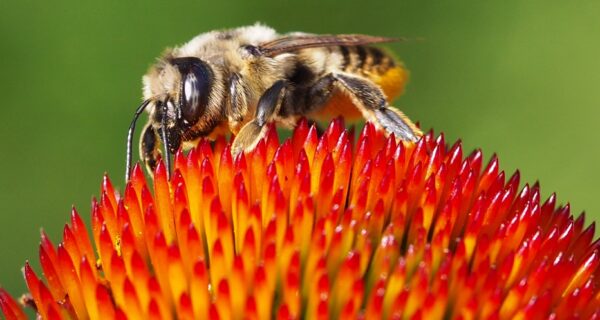
Small Reflections on World Bee Day
by Catherine Schmitt; photo by David Manski Natural stories are for everyone, and we need everyone to help create them. […]